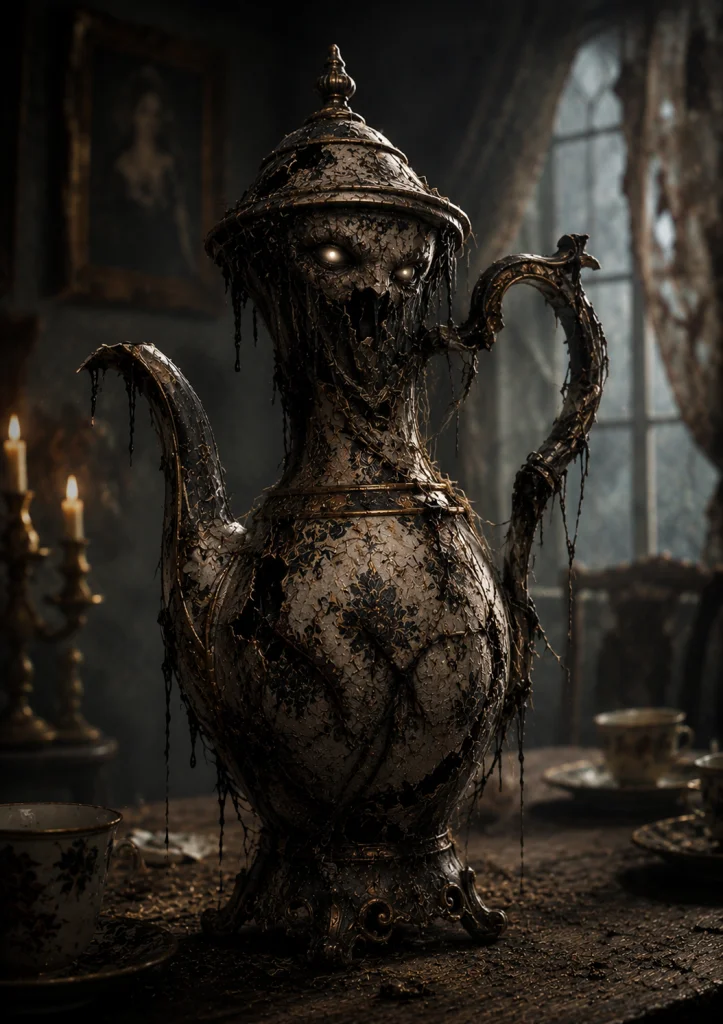
- Spirit-Bound Objects
- Cursed Animation
- Emotionally Reactive
Cursed One
Cursed Ones are supernatural entities created when inanimate objects become imbued with unnatural life through curses, spirit binding, emotional residue, forbidden magic, or metaphysical corruption. Unlike constructs intentionally crafted through orderly enchantment, Cursed Ones are typically born through tragedy, obsession, violence, ritual mishap, or lingering supernatural influence. Their existence blurs the boundary between object and living being, resulting in entities that are often deeply unsettling, emotionally unstable, or spiritually distorted.
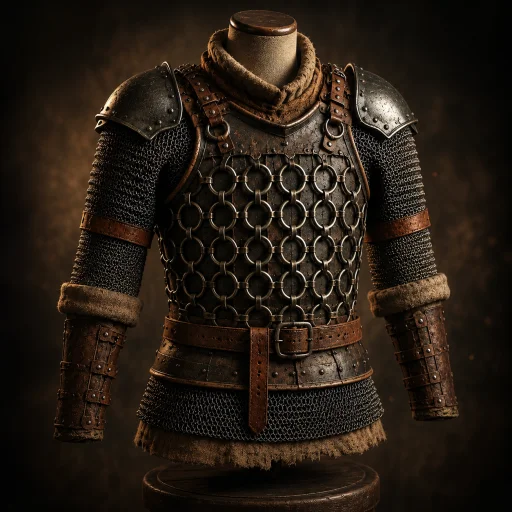
Cursed Ones may originate from nearly any object capable of retaining symbolic, emotional, or magical significance. Dolls, mannequins, mirrors, armor, weapons, toys, statues, paintings, masks, puppets, instruments, and relics are among the most common vessels, though rarer manifestations have emerged from entire buildings, ships, or collections of objects bound together by shared trauma or enchantment.
Though many Cursed Ones are hostile or psychologically unstable, they are not universally evil. Some possess fragmented personalities, childlike innocence, obsessive attachment behaviors, or confused attempts at humanity. Others become predatory, vengeful, territorial, or emotionally dependent upon specific people, locations, or memories tied to their creation.
Cursed Ones may originate from nearly any object capable of retaining symbolic, emotional, or magical significance. Dolls, mannequins, mirrors, armor, weapons, toys, statues, paintings, masks, puppets, instruments, and relics are among the most common vessels, though rarer manifestations have emerged from entire buildings, ships, or collections of objects bound together by shared trauma or enchantment.
Though many Cursed Ones are hostile or psychologically unstable, they are not universally evil. Some possess fragmented personalities, childlike innocence, obsessive attachment behaviors, or confused attempts at humanity. Others become predatory, vengeful, territorial, or emotionally dependent upon specific people, locations, or memories tied to their creation.
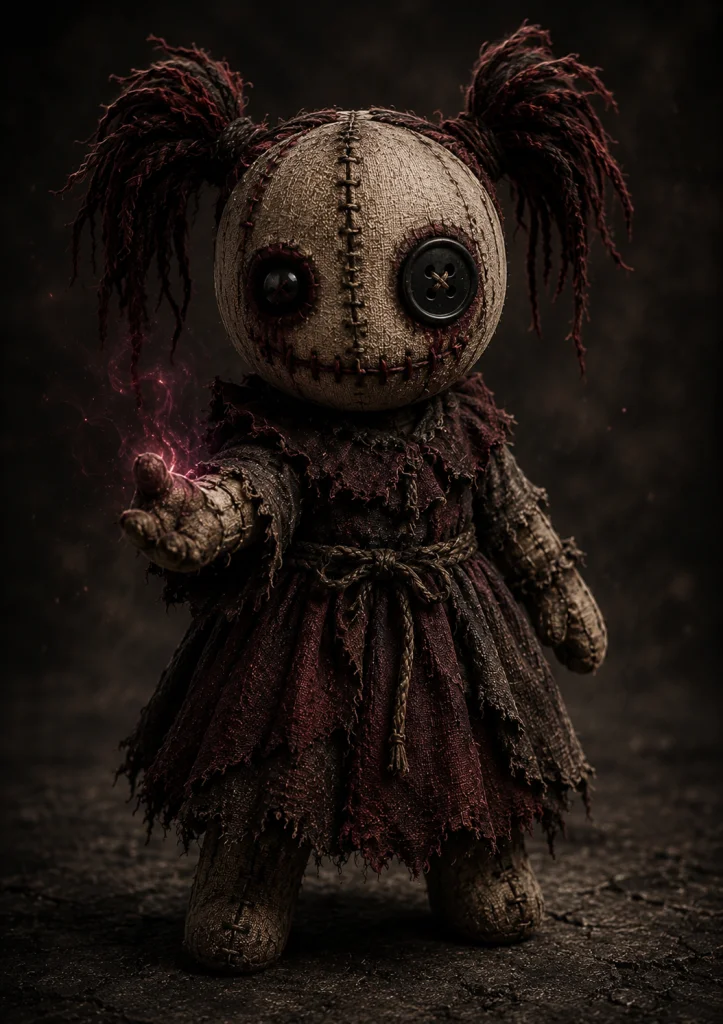
- Possessed Playthings
- Childlike Corruption
- Fear-Fed Entities
Cursed Doll
Cursed Dolls possess little organized culture due to their isolated origins, though some gather instinctively in spiritually corrupted locations, abandoned homes, forgotten nurseries, or cursed collections. Many exhibit warped imitations of human behavior, family structures, play, affection, or companionship based upon fragmented memories and emotional residue tied to their creation.
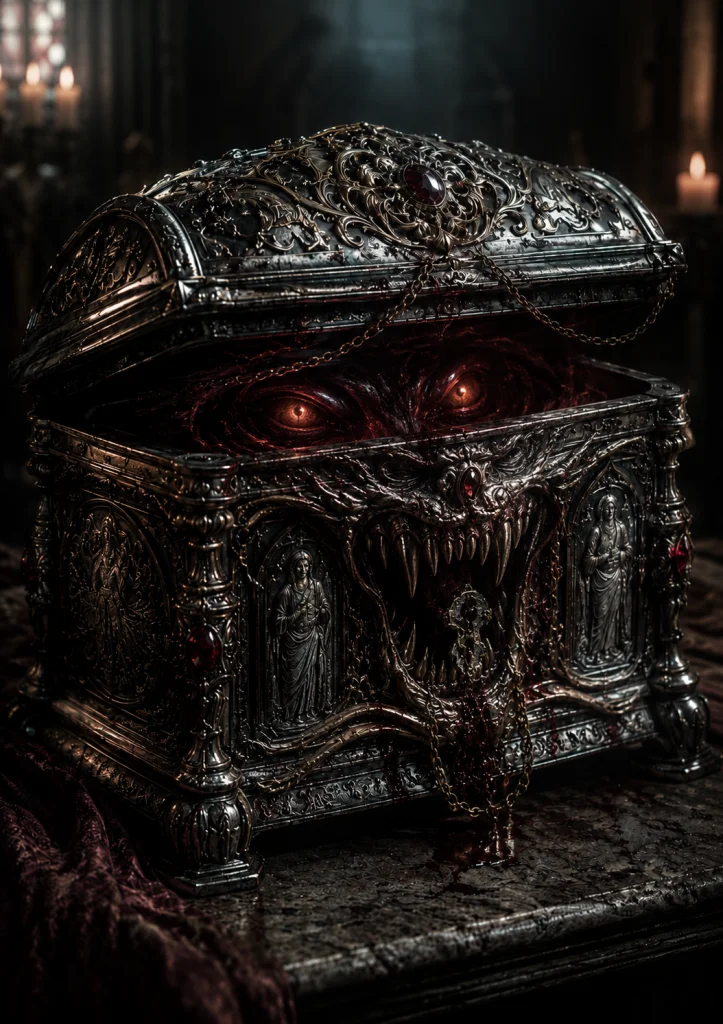
- Silent Vessels
- Possessive Relics
- Haunted Utility
Cursed Object
Cursed Objects do not build culture in the ordinary sense. They do not gather in towns, pass laws, hold festivals, or gossip over stew unless the stew pot is also cursed, which is exactly the sort of thing nobody should joke about too loudly. Their existence is solitary, possessive, and shaped by the emotional conditions of their binding.
What resembles culture among them is pattern. Many develop rituals around ownership: being polished, worn, opened, hidden, displayed, fed attention, or used for a specific purpose. These repeated acts become a language of dependency. The object learns what it means to be wanted, feared, touched, admired, or kept secret, and it responds accordingly.
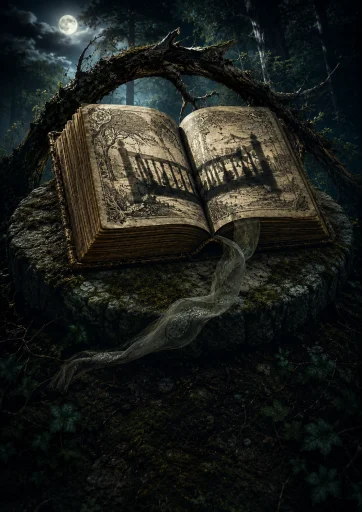
Some show preferences that feel almost social. A mirror may enjoy vanity. A ring may resent being removed. A book may open only for liars. A blade may go cold in the hands of cowards. These are not traditions passed between members of a species, but behaviors formed through fixation, memory, and the distorted need to matter.
Among the living, attitudes toward Cursed Objects vary from fear to greed to sentimental denial. Some are locked away, buried, sold quietly, blessed, studied, inherited, or hidden under beds by people who absolutely know better. Others are kept because they are useful, beautiful, comforting, or just dangerous enough to make throwing them away feel personal.
What resembles culture among them is pattern. Many develop rituals around ownership: being polished, worn, opened, hidden, displayed, fed attention, or used for a specific purpose. These repeated acts become a language of dependency. The object learns what it means to be wanted, feared, touched, admired, or kept secret, and it responds accordingly.
Some show preferences that feel almost social. A mirror may enjoy vanity. A ring may resent being removed. A book may open only for liars. A blade may go cold in the hands of cowards. These are not traditions passed between members of a species, but behaviors formed through fixation, memory, and the distorted need to matter.
Among the living, attitudes toward Cursed Objects vary from fear to greed to sentimental denial. Some are locked away, buried, sold quietly, blessed, studied, inherited, or hidden under beds by people who absolutely know better. Others are kept because they are useful, beautiful, comforting, or just dangerous enough to make throwing them away feel personal.